Common Food Safety Hazards and How HACCP Helps Prevent Them
Food safety hazards are a real problem. For everyone. A small catering setup. A massive food manufacturing plant. One wrong step and suddenly there’s foodborne illness, lawyers calling, products being pulled off shelves. Trust? Gone. Fast. That’s why understanding common food safety hazards really matters, and why a preventive system like HACCP isn’t optional anymore. It’s essential for long-term compliance and, honestly, survival of the business.
HACCP doesn’t wait for things to break. It steps in before the damage happens. It looks at where hazards could show up and stops them right there. Simple idea. Powerful impact. That proactive mindset is why HACCP has become one of the most effective food safety management systems used around the world, even when things get messy.
What Are Food Safety Hazards?
Food Safety Hazards
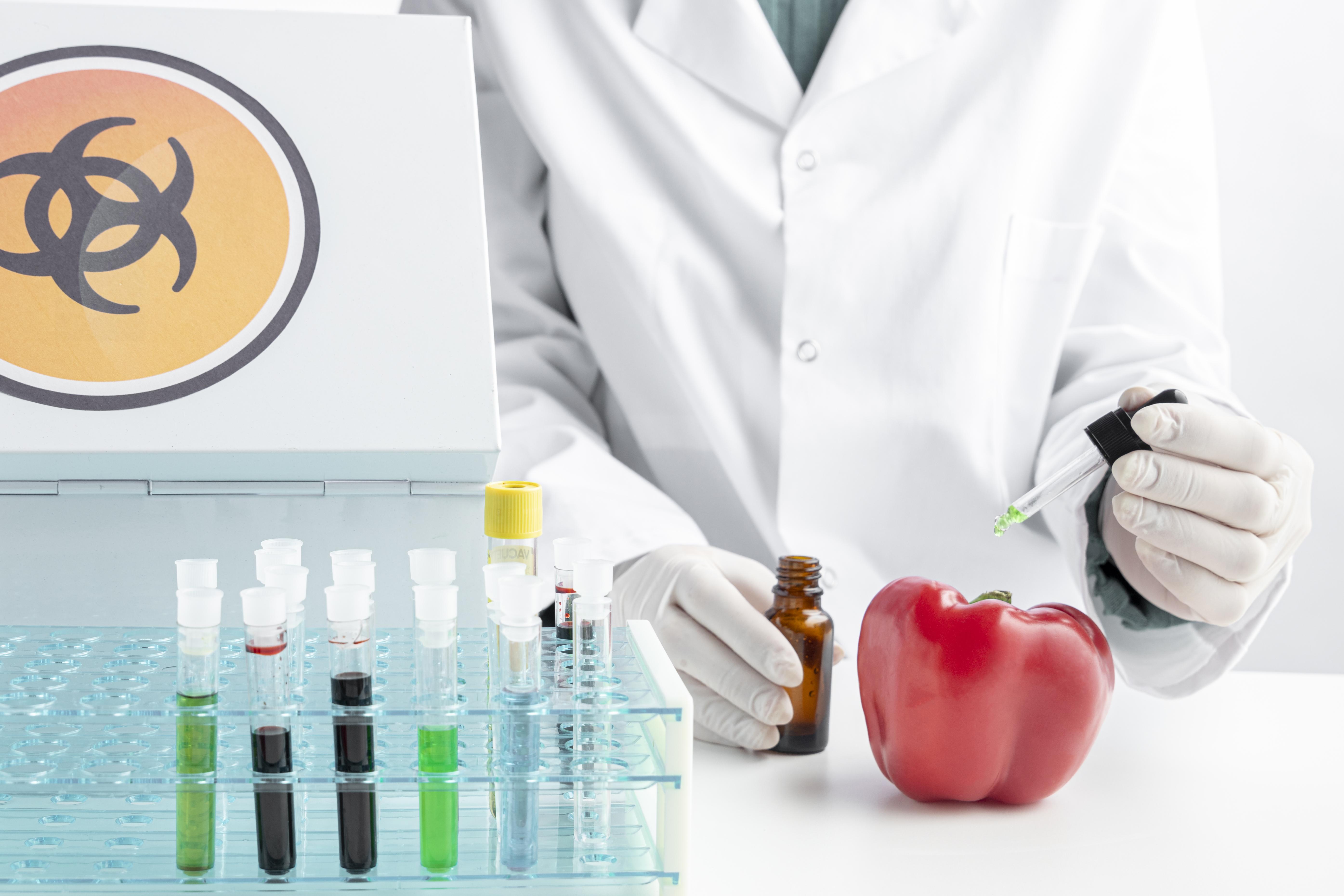
Food safety hazards are biological, chemical, or physical agents that can make food unsafe for human consumption. These hazards may enter food at any stage of the supply chain, including sourcing, processing, storage, preparation, and distribution.
HACCP is designed to identify where these hazards can occur and establish controls to eliminate or reduce risks to safe levels.
Types of Common Food Safety Hazards :
Biological Food Safety Hazards
Biological hazards are the most common and dangerous food safety risks. They involve microorganisms that can cause foodborne illnesses.
Common biological hazards include:
- Salmonella
- Escherichia coli (E. coli)
- Listeria monocytogenes
- Norovirus
These hazards don’t just appear out of nowhere. They usually come from small things. Poor hygiene. Food not cooked enough. Raw and ready-to-eat crossing paths. Wrong storage temps. Little mistakes, repeated every day.
This is where HACCP steps in. Calm. Methodical. It looks at the process and asks, where can biological hazards sneak in? Then it locks those points down. Critical Control Points. Cooking temperatures. Cooling times. Cleaning routines that actually get followed. Not just written. These controls cut off harmful microorganisms before food ever reaches a plate.
And yes, food handlers matter. A lot. They’re on the front line. That’s why Simple HACCP training isn’t a nice-to-have, it’s basic survival. It builds daily awareness. Better hygiene habits. Fewer “oops” moments. And safer food, every single shift.
Chemical Food Safety Hazards
Chemical hazards occur when harmful substances contaminate food, either accidentally or due to improper handling.
Common chemical hazards include:
- Cleaning and sanitizing chemicals
- Pesticide residues
- Incorrect use of food additives
- Undeclared allergens
Chemical hazards usually don’t start big. They start small. A cleaner left near ingredients. A label missing. Someone guessing instead of checking. It happens.
HACCP slows things down and asks the right questions. Where are chemicals stored? Who uses them. How often. Through proper hazard analysis, HACCP puts controls in place—clear labeling, strict storage rules, allergen separation, and staff who actually know what they’re handling. Not just “kind of.”
Training makes the difference here. When teams go through Simple HACCP training, awareness improves fast. People notice risks earlier. They stop mixing things they shouldn’t. Fewer chemical exposures. Fewer allergic reactions. Safer food. Less stress.
Physical Food Safety Hazards
Physical hazards involve foreign objects that can accidentally enter food and cause injury.
Examples include:
- Glass fragments
- Metal shavings
- Plastic pieces
- Stones or wood splinters
Physical hazards don’t announce themselves. They just show up. A loose screw. A cracked blade. Worn-out equipment that should’ve been fixed last month. Small things. Big consequences.
HACCP looks closely at where this stuff can sneak in. High-risk steps. Busy lines. Changeovers. It sets up controls that actually work—routine equipment checks, metal detectors, sieves, even simple visual inspections. Nothing fancy, just effective.
When these controls are in place, physical contamination drops fast. Fewer surprises. Safer products. And operations that run a bit more calm, honestly.
How HACCP Helps Prevent Food Safety Hazards
HACCP prevents food safety hazards by following a structured system based on the 7 principles of HACCP, which form the backbone of effective food safety management.
- Conduct Hazard Analysis – Identify all potential biological, chemical, and physical hazards at each stage of food production.
- Identify Critical Control Points (CCPs) – Determine where control is essential to prevent or eliminate hazards.
- Establish Critical Limits – Set measurable limits such as minimum cooking temperatures or maximum storage times.
- Monitor CCPs – Ensure CCPs remain within safe limits through routine checks.
- Define Corrective Actions – Take immediate action when deviations occur.
- Verify the System – Confirm that the HACCP system works effectively.
- Maintain Documentation – Accurate records demonstrate compliance and support audits.
Businesses responsible for implementing these steps benefit most from an Advanced HACCP certification course, which covers hazard analysis, CCP management, and audit-ready documentation.
Why HACCP Training Is Essential for Hazard Prevention
Even the best HACCP plan fails without proper training. People—not paperwork—keep food safe.
This is why structured training is crucial. Food businesses with complex operations should consider HACCP training for managers and QA teams to ensure hazards are controlled consistently across all processes.
HACCP for Small and Large Food Businesses ?
HACCP is flexible and scalable.
Regardless of size, HACCP provides a preventive framework that protects consumers and supports compliance.
-
Small food businesses can apply simplified HACCP systems focused on key hazards and practical controls.
-
Large manufacturers require advanced HACCP plans, detailed documentation, and continuous verification.
Why ComplyStrong Is Your Best Choice for HACCP Training?
ComplyStrong’s Workplace Violence & Harassment Training aligns with Ontario’s Occupational Health and Safety Act (OHSA) and other provincial and federal workplace safety regulations.
Our content helps organizations meet mandatory compliance requirements while fostering a workplace culture rooted in respect, empathy, and accountability.
Frequently asked questions
What are the main hazards in food safety?
The main food safety hazards are biological, chemical, physical, and allergenic. These hazards can contaminate food during handling, processing, storage, or preparation and may cause foodborne illnesses if not properly controlled.
What are the 5 most common risk factors for food safety?
The five most common food safety risk factors are poor personal hygiene, improper temperature control, cross-contamination, unsafe food sources, and inadequate cleaning and sanitation. These issues are leading causes of foodborne outbreaks worldwide.
What are the five most common safety hazards?
The most common food safety hazards include bacteria and viruses, chemical residues, foreign objects, allergens, and improper storage conditions. Identifying these hazards early helps businesses prevent contamination and ensure safe food production.
What are the 4 main hazards?
The four main food safety hazards are biological hazards (like bacteria), chemical hazards (such as cleaning agents), physical hazards (foreign objects), and allergen hazards. HACCP systems are designed to control these hazards at every stage of food handling.


